


African swine fever detected in new areas
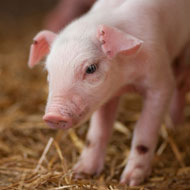
Livestock keepers are reminded that swill feeding is banned and suspicions of notifiable diseases must be reported to AHVLA.
Defra and the AHVLA have announced three further cases of African swine fever (ASF) in domestic pigs in Poland and Lithuania, and in wild boar in a new area of Latvia.
Lithuanian authorities reported an outbreak on a large commercial holding containing around 20,000 pigs, located close to the border with Belarus and Latvia.
Defra and AHVLA's veterinary and science policy advice team said it is "significant" that the incident in Lithuania is the first outbreak of ASF on a commercial holding in the EU. It is not known how the disease got onto this holding.
Two new cases of ASF were reported by Latvian authorities, close to the Estonian border, where the disease has not been previously reported.
A boar found dead tested positive for the disease and a further outbreak was reported on a backyard holding 1km away. Four out of nine breeding sows at the holding tested positive, out of a total herd of 56 pigs.
The incidents were detected more than 200km west of the current ASF control zones. It is as yet unknown how the disease moved into this new area, but preliminary epidemiological investigations suggest contaminated feed is a possible source of infection.
A new outbreak of ASF was also reported by Polish authorities - the first time the disease has been detected in domestic pigs in the country. ASF was found on a backyard holding of eight pigs, 2.5km from the border with Belarus. In the direct locality, there has been a rising number of cases in wild boar in recent weeks.
Poland and Lithuania have been carrying out high level testing of wild boar, feral and domestic pigs since wild boar cases were reported along the Belarus border in February this year.
There have been no recent imports of live pigs from Poland, Latvia or Lithuania to the UK, according to the EU Traces System.
The policy advice team say the risk of disease transmission to the UK through the legal movement of pigs or animal-derived products is believed to be low.
Similarly, the risk of disease incursion through illegal movement of products and subsequent swill-feeding, or poor on-farm biosecurity, is also considered to be low.
Livestock keepers are reminded, however, that swill feeding to pigs is banned and that there is a legal requirement to report suspicions of notifiable disease to the AHVLA.


 Companies marketing medicines for small pets exempt from authorisation must submit their annual return to the Veterinary Medicines Directorate (VMD) by 30 November 2026.



