


Unsecured pets in moving cars “a real danger”
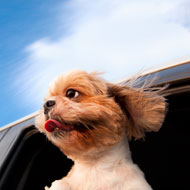
Four per cent of owners said they had had an accident or a near miss as a result of pets being loose in the car.
More than a quarter of dog owners do not restrain their pets in moving vehicles, according to new research by the RAC.
The Highway Code states that dogs and other animals must be appropriately restrained so they cannot distract the driver or injure themselves or people if the car stops suddenly.
Despite this, a survey of motorists revealed 28 per cent of people would let their dog move freely, even in a car full of luggage.
An RAC spokesperson said unsecured pets in moving vehicles present “a real danger”, both to the pet, the driver and passengers if the car stops suddenly or in the event of an accident.
In fact, 4 per cent of those who took part in the survey reported they had had an accident or a near miss due to cats or dogs being loose in the car.
A significant 80 per cent of owners travel with their dog. Of these, 21 per cent said they leave them loose on car seats and 6 per cent let them travel in passenger footwells.
A third of owners who do restrain their pets restrict them to the boot, whereas less than a quarter (24 per cent) use a pet harness or seatbelt. Only 15 per cent use a cage or carrier to transport their dogs.
The spokesman said: “Our research suggests that a sizeable amount of people are prepared to take a risk and leave their dog unsecured, and, worryingly, that more than one in 10 (13 per cent) do not actually consider it to be a driving hazard.
“While pet owners may feel they know how their dog behaves in the car, nobody can predict what might happen round the next corner or how a dog would react in or after an accident. The best way to ensure the safety and security of everybody in a vehicle when travelling with a pet is to make sure it is properly restrained.”
Cat owners were more likely to be safety conscious in the car, with 92 per cent saying their pet was kept in a secure carrier while travelling. Almost all participants (96 per cent) said they would never allow their cat to be loose in a moving car.


 Eligible members of BEVA will be able to vote for their Council team until Monday, 17 August 2026. Members will have received an election email on 17 July.



