


Fruit bats may spread Ebola epidemic, FAO warns
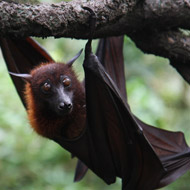
Fruit bats are thought to be the most likely reservoir species for the Ebola virus.
The Food and Agriculture Organisation of the United Nations (FAO) has warned that increased efforts are needed to improve awareness among rural communities in West Africa about the risks of contracting the Ebola virus from eating certain wildlife species, including fruit bats.
Guinea, Liberia and Sierra Leone are struggling to contain the world's deadliest recorded outbreak of the virus, which is transmitted by direct contact with the blood and body fluids of infected people and animals.
Lethal in up to 90 per cent of cases, Ebola virus diseases causes multiple organ failure and, in some cases, severe haemorrhaging. There is currently no vaccine for the disease.
The epidemic is thought to have started when the virus crossed over from infected wildlife into the human population and subsequently began spreading between people.
Fruit bats, which are eaten dried or in a spicy soup by some communities in West Africa, are thought to be the most likely reservoir species for the Ebola virus.
FAO chief veterinary officer Juan Lubroth said: "The virus is killed when meat is cooked at a high temperature or heavily smoked, but anyone who handles, skins or buckers an infected wild animal is at risk of contracting the virus."
FAO is working to improve information about the virus at community-level, using existing networks such as rural radio and agricultural extension services. They aim to work with governments to set up wildlife surveillance systems to support early detection of the virus, collaborating with wildlife rangers, veterinary surgeons and local universities.
The organisation will also assess the role of hunting in livelihoods with a view to finding healthier and more sustainable long-term livestock production.


 Companies marketing medicines for small pets exempt from authorisation must submit their annual return to the Veterinary Medicines Directorate (VMD) by 30 November 2026.



