


Reducing antibiotic treatments for lameness
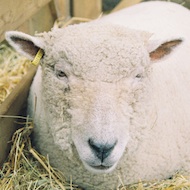
FAI Farms managed to significantly cut the number of antibiotic treatments for lameness.
A new study has shown sheep farmers could substantially reduce antibiotic treatments for lameness by implementing five steps to control disease within a flock.
Ruth Clements MRCVS from FAI Farms, based in Oxfordshire, has jointly authored The Five Point Plan: a successful tool for reducing lameness in sheep - a report that appears in Veterinary Record and describes how they managed to cut the number of lameness treatments administered to their flock of 1,200 ewes over a four-year period.
The infectious bacterial diseases, footrot and scald, are still the most prevalent causes of lameness in sheep flocks in the UK, constituting a major animal welfare and economic challenge across the sector.
The plan involves five stages - prompt and appropriate treatment of any lame sheep; vaccination bi-annually with FOOTVAX to reduce footrot lesions and build immunity; culling badly or repeatedly infected sheep; quarantining incoming animals; and avoiding spreading infection when sheep are gathered and handled.
Followed thoroughly and consistently year-on-year, the Five-Point Plan builds a flock’s resilience to the diseases that cause lameness, reduces the infection challenge on the farm and establishes sheep immunity.
Ms Clements says: “Before we implemented the Five-Point Plan our mean number of monthly antibiotic treatments was 3.8 per 100 ewes. During the first year this was reduced to 1.4 treatments per 100 ewes per month, and during years two-four was sustained at less than 0.3 treatments per 100 ewes per month.
According to EBLEX, the estimated losses from footrot alone equate to around £6 a year for every ewe in Great Britain, but these are costs the industry does not have to bear. Our experience shows that you really can get on top of lameness problems and reap the flock performance and animal welfare benefits of an extremely low disease incidence level."


 Companies marketing medicines for small pets exempt from authorisation must submit their annual return to the Veterinary Medicines Directorate (VMD) by 30 November 2026.



