


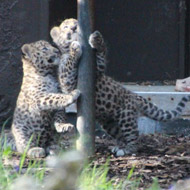
Cubs may form part of wider conservation plans for the reintroduction of the species to the wild
Twycross Zoo has announced the arrival of two Amur leopard cubs. The arrival of the two cubs represents a significant step forward in ensuring the survival of this species on the brink of extinction in the wild.
Experts estimate that the number of Amur leopards in the wild consists of less than 50, making the species vulnerable to extinction. Human-animal conflict in the leopard's small range in China and south eastern Russia, including poaching, illegal logging, forest clearance and land development, as well as the risks associated with disease and in-breeding in such a small population, are all factors which threaten the long-term survival of the species.
Captive breeding programmes in zoos such as Twycross are critical to the survival of the species. Just like online dating, their expert committees analyse data from captive Amur leopards from zoos across Europe for suitable breeding matches.
Dr John Lewis, veterinary advisor to the Amur leopard and tiger EEP and veterinary director of Wildlife Vets International, explains: “We don’t know how many of the Amur leopards remaining in the wild are young or old, male or female. So if the population is skewed towards too many males, or too many older individuals, this can impact the species’ chances of breeding successfully. The added threats of disease and human-animal conflict also jeopardise the animals’ survival. Zoo breeding programmes are fundamental to protecting and saving species that are close to extinction in the wild.”
Twycross Zoo say that a healthy, managed population of Amur leopards underpins international plans to reintroduce them to the wild habitats from where they are disappearing.
Dr Charlotte Macdonald, Head of Life Sciences at Twycross Zoo said: “We are delighted with the birth of two rare Amur leopard cubs at Twycross Zoo. We are hopeful that these UK-born babies will one day be part of wider conservation plans for the reintroduction of the species to the wild. Although animals are best conserved in the wild, and it’s unlikely that any reintroduction will take place for several more years, captive-bred cubs such as these could help save the Amur leopard from disappearing forever.”
Image courtesy of Twycross Zoo. Credit: Nikki Williscroft


 Companies marketing medicines for small pets exempt from authorisation must submit their annual return to the Veterinary Medicines Directorate (VMD) by 30 November 2026.



