


ZSL announce new Thames marine mammal code of conduct
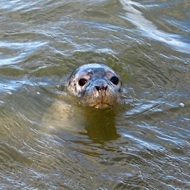
"Many people are surprised to discover that marine mammals like seals and porpoises are found in the Thames."
A code of conduct to ensure the well-being of marine mammals in the Thames launches today (July 3).
Conservationists from the Zoological Society of London (ZSL) have created the Thames Marine Mammal Code of Conduct in time for the peak summer season. The aim is to improve awareness and protection of the river's residents.
The code provides practical tips on what to do if a seal or porpoise is spotted in the water or on land, helping members of the public, recreational boat users and commercial users of the river make the most of their wildlife encounters without disturbing any marine mammals.
Reports of marine mammals being disturbed by boats or by people doing water sports, or being stressed by dogs, are not uncommon. Conservationists believe that many of these incidents result from the public being unaware of the presence of marine mammals in and around the estuary.
Joanna Barker, conservation scientist at ZSL, said: “Many people are surprised to discover that marine mammals like seals and porpoises are found in the Thames. We hope that the code of conduct will raise awareness of their presence and enable people to enjoy them from a safe distance.”
The code recommends keeping at least 100 metres away from any marine mammal seen in the water, as they are sensitive to noise. It also advises putting dogs on a lead and leaving the area if seals are spotted, as seals may perceive a dog as a threat and become distressed.
Joanna Barker adds: “We rely heavily on public sightings to inform our understanding of marine mammals in the Thames. Armed with the code of conduct, the public should have better interactions with marine mammals and subsequently be able to provide us with more valuable information about the river’s wildlife.”
The Thames Marine Mammal Code of Conduct is available to download from the ZSL website: www.zsl.org/marinemammals. Sightings of marine mammals can be reported using ZSL’s interactive map: www.zsl.org/inthethames or with #inthethames.


 Companies marketing medicines for small pets exempt from authorisation must submit their annual return to the Veterinary Medicines Directorate (VMD) by 30 November 2026.



