


Ketamine reclassified as a Class B drug
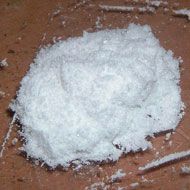
Ketamine has been linked to chronic toxicity to the bladder.
Changes to the Misuse of Drugs Act 1971 come into force today (June 10), including the reclassification of ketamine as a Class B drug and changes to the control of tramadol.
Ketamine is now a Class B drug under Schedule II of the 1971 act, meaning the maximum penalty for unlawful possession has increased from two to five years in jail.
Widely used in the veterinary profession as an anaesthetic and analgesic, the drug is also used recreationally.
A report released earlier this year revealed heavy and frequent misuse of ketamine is linked to various physical and psychological problems, including chronic toxicity to the bladder leading to numerous reports of individuals having to have their bladders removed.
In its 2014 review, the Advisory Council on the Misuse of Drugs said 120,000 individuals are estimated to have misused the drug between 2012 and 2013.
As of today, tramadol has also been classified as a Class C drug under Schedule 2 of the 1971 act, meaning the maximum penalty for unlawful possession is two years in jail.
The drug has also been added to Schedule 3 of the Misuse of Drugs Regulations 2001 and Schedule 1 of the Misuse of Drugs (Safe Custody) Regulations 1973, meaning it is exempt from the safe custody requirements.
Tramadol is of significant medical use in treating moderate to severe pain. Overdose results in drowsiness, agitation, rapid heartbeat, high blood pressure and vomiting.
According to the Home Office seizures are more common with tramadol overdose than with other opiods, occurring in up to 15 per cent of cases. In cases of severe poisoning, coma, seizures and low blood pressure can occur.


 Companies marketing medicines for small pets exempt from authorisation must submit their annual return to the Veterinary Medicines Directorate (VMD) by 30 November 2026.



