


Scientists warn against new TB control strategy
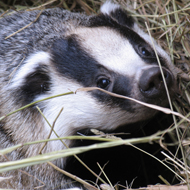
Scientists have warned against the Test-Vaccinate/Remove (TVR) pilot.
Scientists have warned that a new bovine TB control strategy due to be piloted in Northern Ireland, may spread the disease further rather than control it.
The Test-Vaccinate/Remove (TVR) pilot plans to carry out live TB tests on badgers, culling any that are infected, and vaccinating healthy ones.
Limitations to this method have already been recognised, as live testing has previously been shown to be inconsistent, with many carriers of TB being missed.
A team of researchers from the Zoological Society of London (ZSL), Imperial College London and the University of Sheffield have warned that this method of small-scale, selective culling may also have an effect on badger behaviour, similar to that seen during the Randomised Badger Culling Trial, which caused increased ranging of badgers.
Researchers analysed badger movement in 826 territories where small-scale culling took place between 1986 and 1998. The results showed that removing a small number of badgers from a social group led to increased dispersal and ranging of the remaining badgers, lower genetic relatedness of individuals within a group and an elevated prevalence of the bacterium that causes bovine TB. This is likely to result in higher infection rates of the disease in cattle.
Dr Job Bielby, research fellow at ZSL, said: “Our research is the first to look at the effects of removing small numbers of badgers from social groups. The results reinforce the need to fully understand the consequences of methods to control the spread of bovine TB before we embark on them. Otherwise we risk complicating what is already a very complex issue.”
If the pilot goes ahead, scientists have recommended intensive monitoring of badger behaviour, and stopping rules enforced if any significant changes are observed.
The research paper has recently been published in the journal PNAS.


 Companies marketing medicines for small pets exempt from authorisation must submit their annual return to the Veterinary Medicines Directorate (VMD) by 30 November 2026.



