


MP confirms badger culling will continue later this year
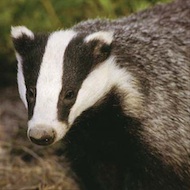
Dan Rogerson MP said Defra will assess the improvements being made to the culls before making a decision on extending to new areas.
Badger culling will be restarted in Somerset and Gloucestershire this year, it has been confirmed.
Dan Rogerson, MP for North Cornwall, confirmed the culls will continue later this year during his speech at the Royal Bath and West Show last week.
Pilot culls in both areas last year failed to meet the target of removing 70 per cent of the badger population.
Furthermore, a recent report by the independent export panel (IEP) judged the culls had failed on both humaneness and effectiveness.
Mr Rogerson said: "We fully accept the conclusions of the IEP's report and are currently looking at the best ways to implement the recommendations in time for the second year of culling in Gloucestershire and West Somerset."
Controlling bovine TB in the badger population through culling forms part of the Government's overall strategy to eradicate the devastating disease in the UK.
Commenting after it was revealed the culls will continue, the RSPCA said this "will have no major effect on bovine TB."
Earlier this year, the Government decided against a roll out of the badger culls to other parts of the country, after MPs voted almost unanimously against it.
Mr Rogerson said during his speech: "We have decided to assess the success of the improvements we are making to the culls, in light of the lessons learned, before taking a decision on how we extend to other areas."
Badger culling continues to cause controversy, with many wildlife and animal welfare charities campaigning for an end to the trials. The Badger Trust recently applied to the High Court for a judicial review of the legality of continuing the culls.
BVA says it will not support this challenge and is in discussions with Defra to help ensure steps are taken to improve the humaneness and effectiveness of the culls. It also insists upon a non-governmental body to monitor the culls, if BVA is to continue supporting the strategy.
Defra recently revealed it is trialling gassing as a possible option for badger culling. Artificial setts have been used since summer 2013 to assess the dispersal of carbon monoxide.


 Companies marketing medicines for small pets exempt from authorisation must submit their annual return to the Veterinary Medicines Directorate (VMD) by 30 November 2026.



