


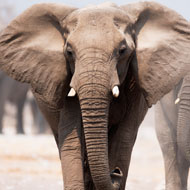
The Elephants of Eden park in South Africa is facing animal cruelty charges after the National Council of SPCAs (NSPCA) received footage of the animals being subjected to cruel and abusive training methods.
NSPCA has laid the charges against Elephants for Eden, the Knynsa Elephant Park and their directors and management, in terms of the Animals Protection Act, 71 of 1962.
According to the council, the footage taken on the premises of Elephants for Eden shows young elephants being chained, stretched, shocked with electric cattle prods and hit with bull hooks - "training" intended to prepare the elephants for their captive futures.
Wendy Willson, national NSPCA inspector, said of the footage: "The elephants show signs of crippling injuries with severely swollen legs and feet, debilitating abscesses and wounds resulting from the abusive use of ropes, chains and bull hooks.
"The calculated and premeditated cruelty of this nature that took place at this facility is a far cry from the loving sanctuary image that Elephants of Eden/Knysa Elephant Park like to portray."
NSPCA claims the training of elephants most often takes place through domination and the breaking of the elephant's spirit. Due to the intelligence and nature of elephants, domination usually takes place by applying force, as demonstrated in the footage.
Not only is this method of training cruel and damaging to the elephants, who consequently suffer from injury and illness, the trainers and handlers are also at risk of injury or death resulting from the rebellion of captive elephants. At the Elephants of Eden and Knysna Elephant Park alone, two elephant handlers have been killed and others seriously injured.
Despite having a warrant to inspect the premises, the NSPCA says it was denied entry by co-owner Lizette Withers, until she was advised that persistant refusal would lead to her arrest. A charge of obstruction has also been laid against Ms Withers.
The NSPCA believe that “wild animals belong in the wild” and are opposed to the training, captivity and use of elephants for entertainment.


 Companies marketing medicines for small pets exempt from authorisation must submit their annual return to the Veterinary Medicines Directorate (VMD) by 30 November 2026.



