


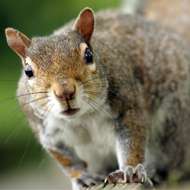
MPs call for change in law to control invasive species
Following a report on invasive non-native species, Parliament’s green watchdog has demanded that the Government implement new legal powers to tackle invasive plants and animals.
Invasive species, such as Japanese Knotweed and Zebra Mussels, can be harmful to species which are native to the UK, and can also affect human health and business.
Chair of the Environmental Audit Committee, Joan Walley MP commented on their affects: “The growth of international trade and travel means more non-native plants and animals are being introduced into Britain than ever before and as our climate changes more species are likely to find a foothold here. Not all of these species will become ‘invasive’, but the ones that do can harm native wildlife, clog up our waterways, cause costly problems for homeowners and sometimes even harm human health.”
Wildlife legislation currently in place is unlikely to provide the level of protection now needed to control outbreaks. The Environmental Audit Committee is calling on the Government to revamp the system controlling invasive species in England and Wales.
Improved prevention, surveillance, monitoring, eradication and long-term control measures are required to fight against invasive plants and animals. Defra needs to develop a surveillance system that integrates voluntary wildlife recording with professional monitoring and identification.
It has been suggested that the Government must replicate the Scottish system of species control orders to provide a system for eradicating invasive species before they become established.
Ms Walley added: “Scotland has introduced legal powers to be able to take effective action, quickly and comprehensively, when invasive species are identified as a threat. They use ‘species control orders’ to allow access to land to establish the presence of invasive species, and to implement any necessary control measures.”


 Companies marketing medicines for small pets exempt from authorisation must submit their annual return to the Veterinary Medicines Directorate (VMD) by 30 November 2026.



