
Your data on MRCVSonline
The nature of the services provided by Vision Media means that we might obtain certain information about you.
Please read our Data Protection and Privacy Policy for details.

In addition, (with your consent) some parts of our website may store a 'cookie' in your browser for the purposes of
functionality or performance monitoring.
Click here to manage your settings.
If you would like to forward this story on to a friend, simply fill in the form below and click send.

Your friend's email:
Your email:
Your name:
 
 
Send Cancel

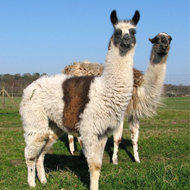
TB compensation for alpaca and llama farmers
The Government is consulting over a new statutory camelid TB scheme.
The Government is consulting over a new statutory camelid TB scheme.

Government consult over new camelids statutory scheme

A new compensation scheme for farmers whose llamas or alpacas are suspected of being infected with TB, could be introduced by the Government.

A consultation over a statutory compensation scheme for TB infected camelids, is currently being held by DEFRA.

It said the new scheme would replace current slaughter arrangements, which were introduced as a temporary measure six years ago, and which see a payment made to camelid keepers for the removal of animals that are suspected to be infected with TB.

The consultation over the new scheme is taking place as part of a wider proposal to consolidate three existing TB deer orders, to make it easier for English deer farmers and veterinary surgeons to understand what is required if a herd is affected. 

"There is an ongoing need to remove animals suspected of having TB in order to prevent the spread of this disease that can devastate small businesses.

"This consolidation of the deer Orders provides an opportunity to establish statutory compensation and to introduce other measures where camelids are tested positive or suspected of TB," said a DEFRA spokesman.

DEFRA said research had shown that a tuberculin skin test on camelids is only moderately successful in detecting animals infected with the bTB.

It said detection of the bacteria can be dramatically increased through two antibody blood tests. Proposal inlude administrative changes for these tests of TB-infected camelid herds and other at-risk herds.

The full consultation document is available to view and complete online

Become a member or log in to add this story to your CPD history

Animal Medicines Amnesty returns this November

News Story 1
 Veterinary practices are being urged to help owners safely dispose of any unused and expired pet medicines - not just antibiotics - during November's Animal Medicines Amnesty.


Organised by the Responsible Use of Medicines Alliance Companion Animal and Equine (RUMA CA&E), the initative is supported by a range of cross-sector organisations.

Practices are encouraged to use the campaign to engage the whole practice team and raise awareness of the safe disposal of medicines with clients. Learn how your practice can get involved at rumacae.org.uk 

Click here for more...
News Shorts
APHA launches free virtual work experience programme

The Animal and Plant Health Agency (APHA), in collaboration with Springpod, has launched a free virtual work experience programme, giving young people across the UK the chance to explore careers dedicated to protecting animal and plant health.

The on-demand programme offers a unique insight into career opportunities within APHA, showcasing how students can contribute to tackling some of the UK's most critical biosecurity and environmental challenges.

Designed for students aged 13 and over, the course includes more than 10 hours of engaging content featuring real-life industry insights, scenario-based challenges, and practical guidance on applying for jobs. To register for the course, visit the APHA website.
