


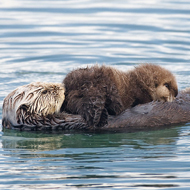
Scientists baffled as to how they became infected with H1N1 virus
"Swine flu" has been detected in marine life off the coast of America, according to a new joint study by U.S. Geological Survey and the Centers for Disease Control and Prevention.
The study found Northern sea otters off the coast of Washington state, had become infected with the same H1N1 flu virus that caused a world-wide pandemic in 2009.
“Our study shows that sea otters may be a newly identified animal host of influenza viruses,” said Hon Ip, a USGS scientist and co-author of the study.
Researchers discovered antibodies for the 2009 H1N1 flu virus in blood samples from 70 per cent of the sea otters studied. None of the otters were visibly sick, but the presence of antibodies means that the otters had been previously exposed to the virus.
Further tests concluded that the antibodies were specific to the pandemic 2009 H1N1 flu virus, and not from exposure to other human or avian H1N1 viruses.
“We are unsure how these animals became infected. This population of sea otters lives in a relatively remote environment and rarely comes into contact with humans,” said Zhunan Li, CDC scientist and lead author on the paper.
An unrelated 2010 study showed that northern elephant seals off the California coast had also been infected with the 2009 pandemic H1N1 virus. This elephant seal exposure is the only other known pandemic H1N1 influenza infection in marine mammals. It is also unclear how the seals were exposed.
“Our new study identifies sea otters as another marine mammal species that is susceptible to influenza viruses and highlights the complex interspecies transmission of flu viruses in the marine environment,” said USGS scientist LeAnn White.
The 2009 H1N1 virus has spread globally among people since 2009 and was the predominant flu virus in circulation during the 2013-2014 flu season.
This study is the first time that evidence of influenza infection has been detected in sea otters, although these viruses have previously been found in many different animals, including ducks, chickens, pigs, whales, horses and the elephant seals.
The study is published in the journal Emerging Infectious Diseases
Image by Mike Baird


 Companies marketing medicines for small pets exempt from authorisation must submit their annual return to the Veterinary Medicines Directorate (VMD) by 30 November 2026.



