


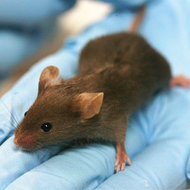
Mouse study offers potential treatment for disease and old age
Scientists at the University of Edinburgh, have for the first time succeeded in regenerating a living organ.
The thymus is an organ in the body located next to the heart that produces important immune cells but which shuts down with age.
The scientific team reactivated a natural mechanism to rejuvenate the thymus in very old mice. After treatment, the regenerated organ was similar to that found in a young mouse.
The project could pave the way for new treatments for people with damaged immune systems and genetic conditions that affect thymus development.
Researchers from the Medical Research Council Centre for Regenerative Medicine at the university were behind the study.
They targeted a protein produced by cells of the thymus - called FOXN1 - which helps to control how important genes are switched on.
By increasing levels of FOXN1, the team instructed stem cell-like cells to rebuild the organ.
The function of the thymus was restored and the mice began making more white blood T cells, which are important for fighting off infection.
It is not yet clear however, whether the immune system of the mice was improved.
Professor Clare Blackburn from the MRC Centre said: "Our results suggest that targeting the same pathway in humans may improve thymus function and therefore boost immunity in elderly patients, or those with a suppressed immune system.
"However, before we test this in humans we need to carry out more work to make sure the process can be tightly controlled."
The thymus deteriorates with age, which is why older people are often more susceptible to infections such as flu.
The discovery could also offer hope to patients with DiGeorge syndrome, a genetic condition that causes the thymus to not develop properly.
"One of the key goals in regenerative medicine is harnessing the body’s own repair mechanisms and manipulating these in a controlled way to treat disease," said Dr Rob Buckle, MRC head of regenerative medicine.
"This interesting study suggests that organ regeneration in a mammal can be directed by manipulation of a single protein, which is likely to have broad implications for other areas of regenerative biology."
Image by Rama


 Companies marketing medicines for small pets exempt from authorisation must submit their annual return to the Veterinary Medicines Directorate (VMD) by 30 November 2026.



