


Uncover investigation at MSD animal testing centre
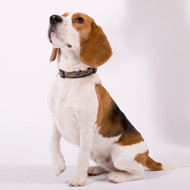
A BUAV investigator went undercover at the centre for eight months.
Video footage taken from an animal testing centre owned by the pharmaceutical giant Merck, Sharp and Dohme (MSD) has been released following an undercover investigation.
An investigator for the British Union for the Abolition of Vivisection (BUAV) went undercover at the centre for eight months last year.
Following the investigation, the Sunday Express reported Home Office minister Norman Baker has asked for information on the conclusions of a number of unannounced inspections at the centre over the past year.
BUAV believes the suffering of the animals is not being minimised sufficiently. MSD Animal Health, however, states strongly that it adheres to all regulatory standards and standards for animal care meet or exceed laws and regulations.
According to BUAV, during their eight month investigation, 92 beagle puppies, 10 adult nursing female beagles, at least 15 kittens and an unknown number of rabbits, chickens and calves were killed.
It is alleged that bloods were taken regularly, with animals in the video footage struggling and showing signs of distress.
A spokesperson for MSD said the company is "committed to advancing the health of pets and farm animals, including preventing widespread, potentially deadly diseases such as parvovirus, feline leukaemia, myxomatosis and Schmallenberg.
"Vaccination is important to the overall well-being of animals. For example, vaccinating a puppy early against the potentially fatal parvovirus not only protects it from disease, but it also provides opportunities for socialisation at a younger age."
The undercover employee has claimed puppies as young as four weeks old were separated from their mothers for experiments and healthy female adult beagles were euthanised after their puppies were taken away, with no attempts to rehome them.
A spokesperson for MSD, however, says: "Whenever possible, MSD Animal Health makes significant efforts to find homes for the animals."
During the investigation, the undercover employee secured the release of two adult beagles, a puppy and a few of the chickens, all of whom are now in new homes according to BUAV.
MSD concluded: "We always adhere to all legal and regulatory frameworks that require our vaccines be tested on laboratory animals in order to ensure they meet all safety and efficacy obligations prior to making them available. Wherever possible we strive to minimise this at every opportunity.
"Where animals are used, measures are taken to assure that the fewest numbers of animals are used and that any discomfort is minimised. Research animals are cared for under the close supervision of veterinarians and trained animal caretakers, and we maintain the highest standards of animal care and use."


 Companies marketing medicines for small pets exempt from authorisation must submit their annual return to the Veterinary Medicines Directorate (VMD) by 30 November 2026.



