


Ketamine to become Class B drug
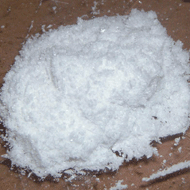
New evidence suggests frequent, high doses of ketamine cause chronic toxicity.
Ketamine is to be become a Class B drug after a report recently highlighted growing evidence of serious physical and psychological harm where the drug is heavily and frequently misused.
Minister for crime prevention Norman Baker confirmed the move following a review by the Advisory Council on the Misuse of Drugs (ACMD).
In its first review of the drug since 2004, the council also recommended ketamine be placed in Schedule II of the Misuse of Drugs Regulations 2001.
Ketamine is widely used in veterinary medicine as an anaesthetic and analgesic, as well as some areas of human medicine.
According to the ACMD, 120,000 individuals are estimated to have misused ketamine in 2012 to 2013.
The council's latest report details new evidence of chronic toxicity to the bladder resulting in numerous reports of individuals having to have their bladders removed.
In addition to this, for regular high-dose users the drug is believed to cause a range of psychological and physical problems, as well as significant toxicity to the urinary tract and kidneys.
In a letter to ACMD, Mr Baker said: "I accept your recommendation to reclassify ketamine as a Class B drug. I have taken this decision in light of the evidence of chronic harms associated with ketamine use, including chronic bladder and other urinary tract damage highlighted in the Advisory Council's report."
Mr Baker added that parliamentary proceedings to reclassify the drug will begin shortly. A consultation will be held on the rescheduling of ketamine in order to determine the effect this will have on veterinary and healthcare sectors.


 Companies marketing medicines for small pets exempt from authorisation must submit their annual return to the Veterinary Medicines Directorate (VMD) by 30 November 2026.



