


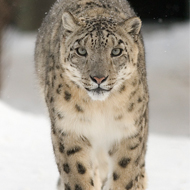
Conditions in region have change little in 12,000 years study says
Scientist have claimed that a region in central Asia has become a refuge for the same kind of animals that lived there during the last Ice Age.
Conditions in the Eastern part of the Altai-Sayan region, have barely changed since the end of the last Ice Age 12,000 years ago.
"Recent findings of the paleo-biome reconstruction and pollen-anayltical research suggest that present day Altai-Sayan landscapes could be considered the closest modern analogy to the last glacial environments," said the study by Věra Pavelková Řičánková, Jan Robovský and Jan Riegert
from the department of zoology, at the University of South Bohemia in the Czech Republic.
Their findings, published in PLoS One, found "a marked similarity" between the types of animals living in the region now, and those living there during the last Ice Age – although there are no Woolly Mammoths.
"Glacial communities have close modern analogues in the three eastern Altai-Sayan areas where e.g. reindeer and saga antelope still live in sympatry," said the study.
"Our results are congruent with other evidence supporting the persistence of Pleisticene biota in the Altai-Sayan region."
The team added that their findings open up the possibilities for 'Thorough paleontological research of the as yet unexplored eastern Altai-Sayan region."
Image (C) Bernard Landgraf/Wikimedia


 Companies marketing medicines for small pets exempt from authorisation must submit their annual return to the Veterinary Medicines Directorate (VMD) by 30 November 2026.



