


Sheep diet focus for new research
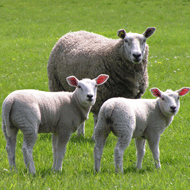
New research projects will examine whether alternative protein sources could replace soya bean meal (SBM) used in sheep diets without affecting performance.
Although the level of SBM used in British sheep diets is very low, Eblex has commissioned two studies to examine whether the "soya footprint" in sheep production could be further reduced.
SBM represents less than 3 per cent of the soya used in animal feeds in Britain and around 0.02 per cent of world production, according to Eblex, which is part of the Agriculture and Horticulture Development Board.
In addition, the organisation says SBM is often included in creep feeds for lambs and various other mixes, and diets for pregnant ewes generally include some in order to provide the high quality protein needed to meet digestible undegradable protein (DUP) requirements.
The projects will aim to determine whether alternative protein sources, such as rapeseed meal, beans, peas and wheat distillers grains could replace SBM in sheep diets without lowering performance.
Scotland's Rural College (SRUC) and Harper Adams University will collaborate on the first project, which aims to update the nutritional recommendations used for working out ewe rations, which were developed in the 1970s.
Researchers will conduct experiments to examine different forages, protein sources and the level of metabolise protein (MP) they provide.
Another project will be led by ADAS and will involve feeding various diets to groups of pregnant ewes, giving information on lamb performance to gauge the impact of diet during pregnancy on subsequent growth rates and days to slaughter.


 Companies marketing medicines for small pets exempt from authorisation must submit their annual return to the Veterinary Medicines Directorate (VMD) by 30 November 2026.



