


Shooting cost more than £4,000 per animal, says Care for the Wild
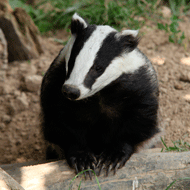
A wildlife charity has pieced together the costs of the pilot badger culls, which took place in Somerset and Gloucestershire last year, and claims each badger killed came with a price tag of more than £4,000.
Care for the Wild says official sources and freedom of information requests have revealed the culls cost £7.3 million - working out at £4,121 per badger killed.
After piecing the costs together using "various sources", the charity breaks the spending down thus: police costs £2.6 million, farmers' costs £1.49 million and government costs £3.2 million.
Furthermore, the charity claims that should the culls be extended over a four-year period, the cost will amount to around £19 million, but bring only a £2.5 million financial benefit to the taxpayer if, as the government predicts, bovine TB is reduced by 16 per cent as a result of culling.
Commenting, Care for the Wild's policy advisor, Dominic Dyer, says: "We keep hearing about bovine TB being a burden on the taxpayer, but the figures show that the real burden is the badger cull.
"Taxpayers will not benefit from badgers being killed, the badgers certainly won’t benefit – and neither will the farmers, because culling was always going to be a costly failure. It’s time the government realised that."
Part of the government's bovine TB eradication programme, the pilot badger culls in Gloucestershire and Somerset aimed to determine if culling could be carried out humanely, safely and effectively.
Culling licenses were extended by Natural England in both areas after shooters failed to meet targets. The eight-week extension in Gloucestershire was cut short when it seemed unlikely targets would be met, while shooters in Somerset also fell 5 per cent short of their cull target after a three-week extension.
In a written statement to parliament on December 2, Defra secretary Owen Paterson said an Independent Panel of Experts is to assess the evidence gathered during the culls, which will inform his decision on a possible roll-out of the cull across the country.


 Companies marketing medicines for small pets exempt from authorisation must submit their annual return to the Veterinary Medicines Directorate (VMD) by 30 November 2026.



